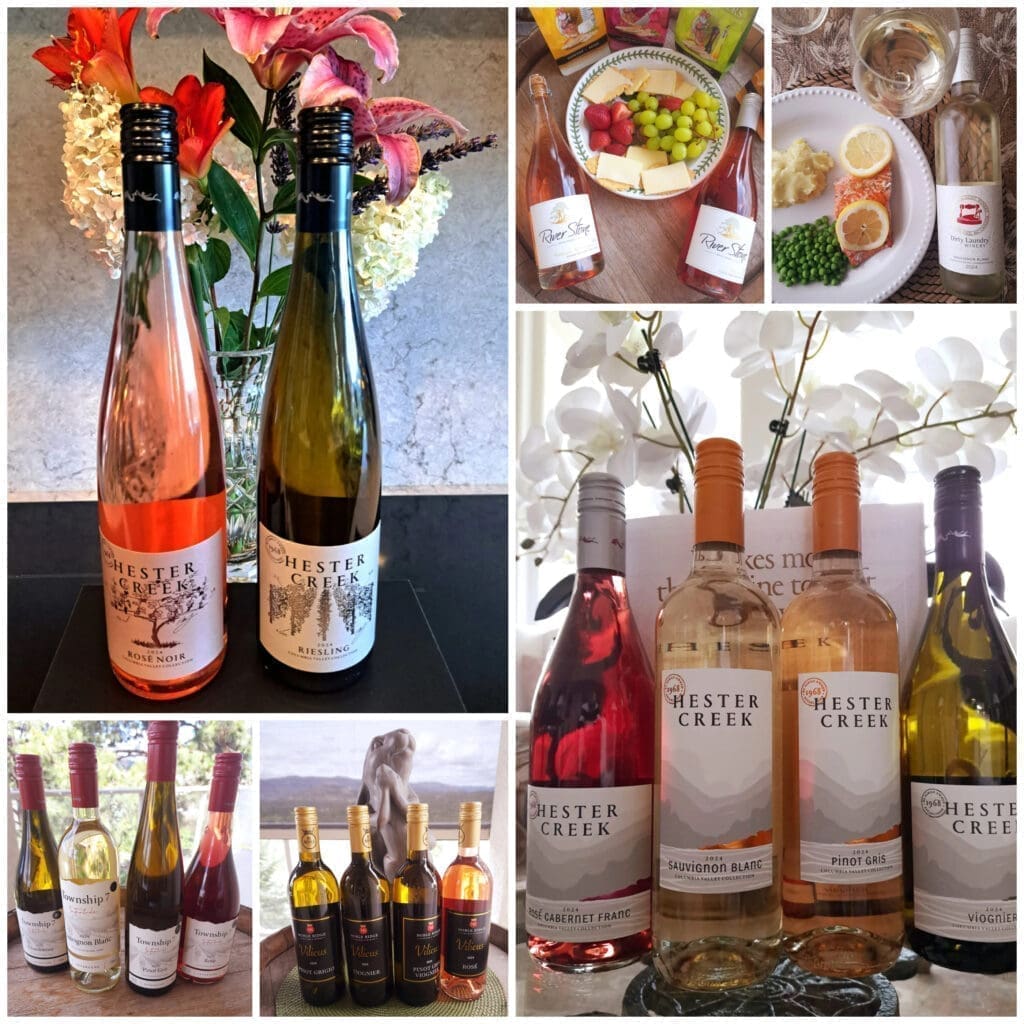
“A vibrant showcase of “Crafted in BC” wines — produced with imported grapes but made entirely in British Columbia. From rosés and Rieslings to bold reds and elegant whites, these bottles reflect the resilience of BC winemakers navigating climate adversity.”
January 2026 Update: Ongoing Stability
As the industry moves into 2026, the Crafted in BC program continues to play a stabilizing role following the 2025 harvest. For small and mid-sized wineries, the ability to responsibly source fruit from outside British Columbia has remained. This has helped maintain production, support winery teams, and stay connected with customers, particularly in areas where estate- and local-fruit availability alone could not fully meet demand.
What Crafted in BC Is — and Is Not
Crafted in BC wines are transparently labeled, made in BC by BC winemakers, and exist to keep wineries operating when local grape supply falls short — they are not “Cellared in Canada” wines.
Crafted in BC wines are not an attempt to pass off foreign wine as BC-grown, nor are they equivalent to the loosely defined “Cellared in Canada” category that has historically frustrated consumers. Under the Crafted in BC designation, wineries remain fully transparent about grape sourcing, clearly labelling when fruit is sourced from outside the province due to extraordinary circumstances, such as winter damage or crop loss. What remains firmly rooted in British Columbia is winemaking itself — from fermentation and blending decisions to aging, bottling, and quality control — all carried out by BC winemakers in BC facilities. In short, Crafted in BC reflects where the wine is made, not where the grapes are grown, providing consumers with clarity, honesty, and continuity while giving wineries a practical path to stay viable during challenging years.
How “Cellared in BC” Differs
The term “Cellared in BC” indicates that a wine was blended and bottled at a Canadian facility. It does not require the wine to be fermented in BC, nor does it imply that the grapes were grown locally. While wines labelled “Cellared in BC” must meet federal labelling standards, the designation offers limited insight into sourcing or winemaking involvement, which has historically led to consumer confusion. In contrast, Crafted in BC wines are clearly identified and produced entirely in BC wineries, with transparency around when out-of-province grapes are used due to exceptional circumstances.
Why the Olympic Average Markup Still Matters
At the same time, concerns around the Olympic Average markup policy have become more pronounced. Several wineries report that the outdated calculation can unintentionally penalize producers after low-yield vintages, pushing them into higher markup tiers despite lower overall volume. This has renewed calls for a more modern approach that better reflects today’s realities.
Even with these pressures, Crafted in BC has demonstrated how adaptive tools can keep the industry resilient. Without it, many wineries would have had little or no 2024 vintage to share.
Introduction
In response to the devastating cold snap of January 2024 that wiped out up to 90% of British Columbia’s grape crop, the BC government introduced a temporary relief initiative: the Crafted in BC wine program. This stopgap measure allows local wineries to import grapes from outside the province while keeping winemaking, bottling, and branding operations within BC. Though controversial in some quarters, the program is a lifeline for sustaining vineyard businesses, wine professionals, and regional tourism until new vines and climate-resilience strategies can take root.
Why the Program Was Created
The unprecedented winter kill severely impacted vineyards across the Okanagan and Similkameen Valleys. With many wineries facing the threat of closing tasting rooms or laying off staff, the BC government launched the program in July 2024 to help mitigate the economic fallout.
- Program Period: April 1, 2025, to March 31, 2026
- Eligibility: Wines must be fermented, cellared, and bottled in BC
- Labelling Requirement: All wines made with imported grapes must bear the “Crafted in BC” designation
According to Wine Growers British Columbia, the local wine industry generates over $3.75 billion annually and supports more than 14,000 full-time jobs. Without access to grapes, many small wineries would have struggled to stay afloat.
Wineries Participating in “Crafted in BC”
Many prominent BC wineries have now released wines under this designation. Many have created new series or labels to differentiate these wines from their traditional VQA lines.
Confirmed Wineries and Labels
- Hester Creek Estate Winery – Columbia Valley Series (Washington State grapes)
- Township 7 Vineyards & Winery – Interlude Series– Sourced grapes from Russian River Valley (California) and Washington State
- River Stone Estate Winery – Good Neighbour Series – Small-batch wines using WA fruit
- Dirty Laundry Vineyard – Fall Escape to Dirty Laundry Winery | Okanagan Patio, Pizza & Wine, grapes from Washington State.
- Noble Ridge Vineyard & Winery – Vilicus Series
- Solvero Wines – 2024 Solvero Rosé, made with Washington State grapes
- Winemaker’s CUT – Six wines released under the Crafted in BC category
- Black Market Wine Co. Black Market Wine Co. – A Vibrant Cinsault Rosé and Three Standout Whites plus GSM and component wines Black Market Wine Co. Releases a Standout GSM
- Fort Berens Estate Winery – 4,000 cases made with Washington grapes. From John Schreiner: “This is not a vintage we planned for, but we’re incredibly proud of the quality…”
- Orofino Vineyards – Washington Series – Vintage 2024: Chenin Blanc, Cinsault Rosé, Marsanne, and Roussanne
- Quails’ Gate Winery – Plume Collection: Pinot Gris, Rosé, Chardonnay (WA grapes) and Quails’ Gate Field & Flight Pinot Noir 2024 from Oregon grapes.
- Tantalus Vineyards – 2024 Pinot Gris made with Oregon’s Willamette Valley fruit
- One Mill Road, Mayhem Wines, Meyer Family Vineyards – Early releases noted by John Schreiner
- Blast Church Vineyard– Red Blend, White Blend, Pinot Gris, Viognier and Sauvignon Blanc grapes from the Andrews Family Vineyard in WA state, Blasted Church Rolls Out Three Standout 2024 Wines
Where the Grapes Came From
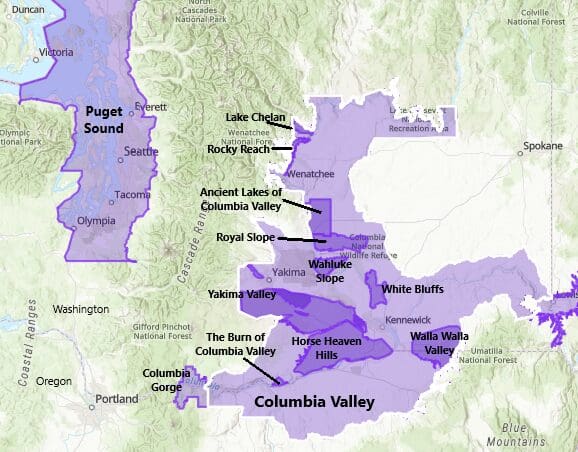
The grapes in the Crafted in BC program are sourced primarily from premium growing regions across the western United States:
- Washington State – Especially Yakima Valley and Horse Heaven Hills
- Oregon – Notably for Pinot Noir and Pinot Gris
- California – Russian River Valley
Program Concerns from Winemakers
Some winemakers have voiced concerns about the short duration of the program relative to the winemaking cycle, especially for red wines that require extended barrel aging. Al Hudec and others have pointed out that the program may conclude before many reds are ready to release or sell.
- Label Clarity: Some consumers may be confused by the Crafted in BC label
- Timeline Misalignment: Reds crafted in 2024 may not reach the market until 2026
Conclusion
The Crafted in BC initiative is an urgent yet thoughtful attempt to preserve BC’s wine culture during an unprecedented agricultural crisis. While not without its challenges, the program keeps cellars humming, tasting rooms open, and winery staff employed.
Stay tuned as BC Wine Trends continues to taste and review new releases from these wines and track how the program evolves.