The 2026 BC wine harvest has delivered promising fruit alongside difficult decisions and sharply contrasting outcomes. An early growing season offered considerable potential, but wildfire smoke changed the outlook for some Okanagan producers, prompting extensive assessment, winemaking changes, and, in some cases, the decision to forgo entire estate crops.
The grape market added another complication. Some growers struggled to find buyers, while wineries seeking replacement fruit weighed laboratory results, vineyard sources and production costs. Encouraging early tastings offer reasons for optimism, although assessments of some wines remain underway.
Our Okanagan coverage draws on earlier accounts from Christine Coletta at Garnet Valley Ranch and Alison Moyes at Solvero, followed by reports from Sébastien Hotte and Ron Kubek at Lightning Rock, Dirty Laundry’s team, Ross Baker at La Frenz, Rob Hammersley at Black Market, Benoit Gauthier at Noble Ridge, Mary McDermott at Township 7, Anahita Pouget at TIME Family of Wines, Michal Mosny at Winemaker’s CUT, Davinder Sidhu at Vasanti, Mark Hopley at Hester Creek, and Ted Kane at River Stone.
We then turn to the Shuswap, with James Clark at Sunnybrae, then to Township 7’s Langley vineyards in the Fraser Valley, and conclude on Vancouver Island with Stacy Hornemann’s report from Blue Grouse.
Together, their experiences reveal a vintage whose story varies considerably by region, vineyard, and cellar decisions.
Okanagan Valley
Garnet Valley Ranch and Solvero: The Scale of Summerland’s Losses
Earlier reports from Summerland underline the scale of the losses following the Bald Range wildfire.
At Garnet Valley Ranch, smoke-damaged grapes were picked and dropped to the ground to relieve stress on the vines. Following production of approximately 6,000 cases in 2025, Christine Coletta anticipated no 2026 production from Garnet Valley Ranch fruit.
At nearby Solvero Wines, an anticipated harvest of approximately 60 tonnes gave way to an expected six tonnes sourced from the Fraser Valley, about 10% of the original planned volume.
These earlier estimates illustrate the distinction between losing an estate crop and finding a way to continue producing wine through alternative grape sources.
Lightning Rock: Estate Losses and Replacement Fruit
Lightning Rock’s promising estate crop was lost following Summerland’s Bald Range wildfire. After conducting winemaking trials with fruit from each vineyard, the team decided to drop the crop.
Replacement grapes offered a way forward: growers contacted the winery as prices fell, and fruit was selected following assessment of laboratory results. Owner Ron Kubek says the winery spent approximately three times its insurance payout purchasing grapes.
Production is estimated at 1,500 cases for 2026, compared with around 5,000 in 2025. Winemaker Sébastien Hotte is pleased with the replacement fruit’s progress but cautions against comparing it to previous vintages, as most of the vineyard sources are new to him.
Dirty Laundry: Selective Sourcing and a Smaller Red-Wine Program
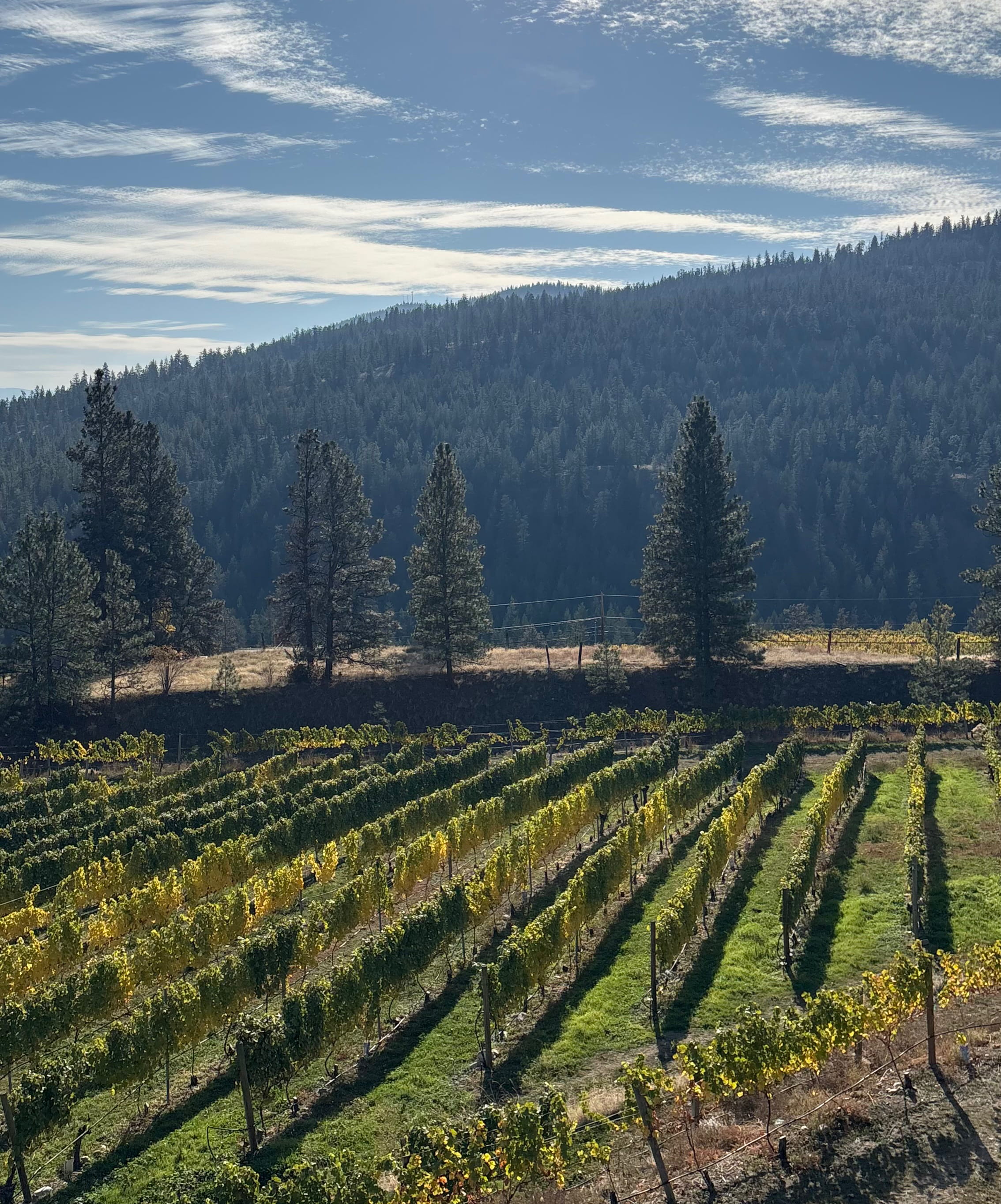
Dirty Laundry also adapted its harvest plans after deciding against using some environmentally impacted fruit.
The winery accepted less fruit than usual and turned to additional vineyard sources to help fill the gaps. The fruit selected for production was excellent, offering encouragement despite the challenges of sourcing and selection.
This vintage’s red-wine production is significantly smaller than its white-wine program. That alone does not indicate a shortage of red grapes across the region. It reflects the winery’s own production decisions and the fruit it chose to work with.
The report adds another example of how wineries adjusted their plans while seeking to maintain quality.
La Frenz: Promising Whites and a Careful Approach to Reds
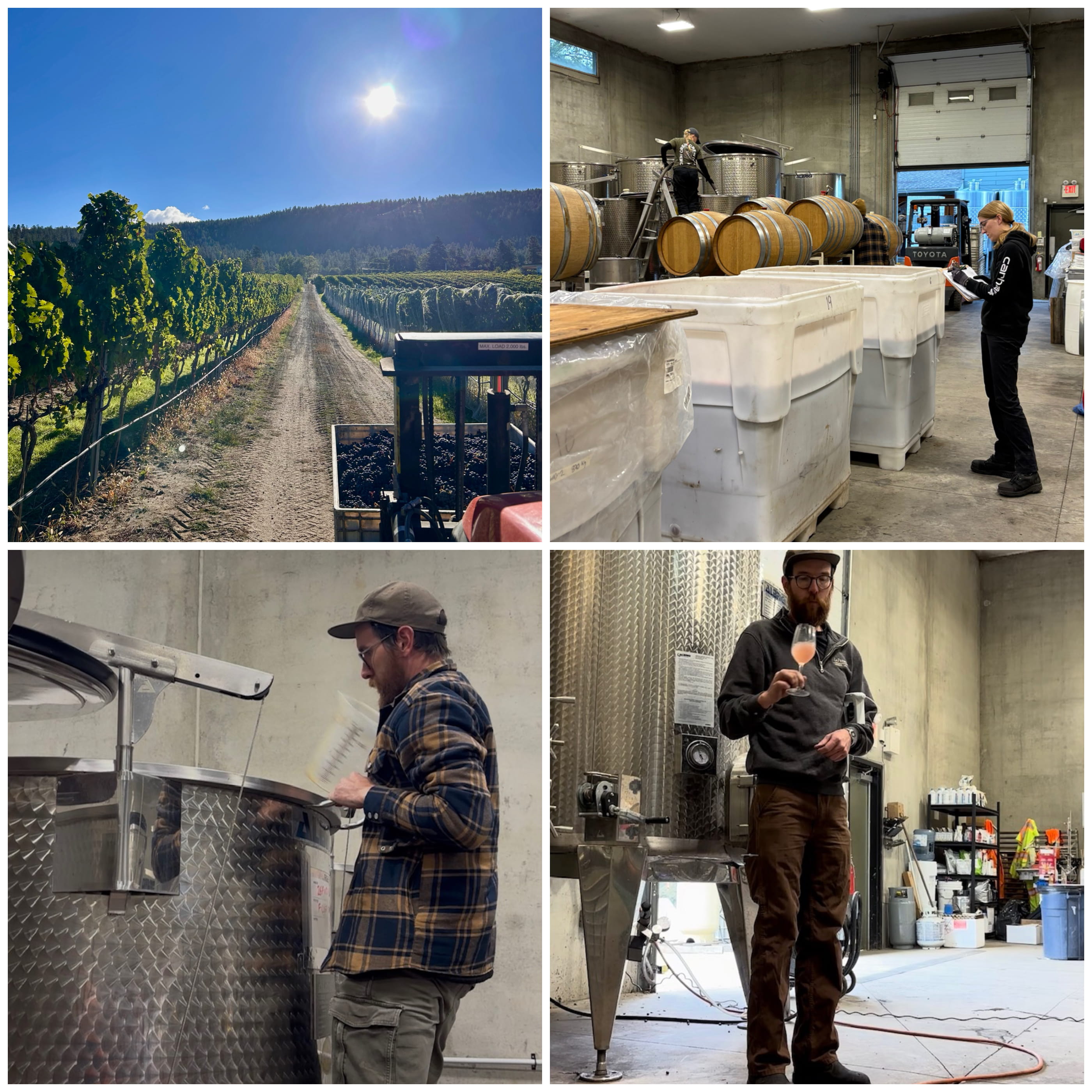
La Frenz harvested 160 tons from its 38 acres of estate vineyards, beginning with sparkling-wine Chardonnay and Pinot Noir on August 25 and finishing with Bordeaux reds on October 21. Yields returned to more comfortable levels following the substantial 2025 recovery crop, while cold October nights helped preserve acidity.
To address potential smoke influence, white and rosé grapes travelled in half-filled bins to limit juice contact with skins and stems, followed by whole-cluster pressing and earlier press cuts. Early tastings are particularly encouraging: the wines show familiar varietal character and fruit expression, with the revised pressing approach helping preserve freshness despite the hotter-than-average season.
Viognier, Sémillon and unoaked Chardonnay are early standouts, with the latter two fermented in concrete eggs.
For Pinot Noir, the usual five-to-eight-day cold soak was reduced to just one day, with substantially less whole-cluster inclusion. Red wines received gentle pump-overs and earlier pressing in place of the usual punch-downs and longer skin contact.
The Pinot Noir lots show concentrated red fruit and floral character, though lab analysis of the red free-run wines and press fractions will guide final bottling decisions.
Black Market Wine Co. – Higher Yields and Encouraging Ferments in Kaleden
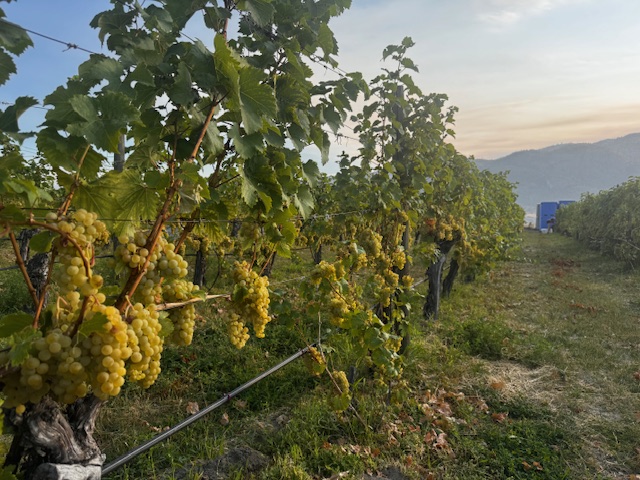
Black Market reports increased yields across all varieties in its two producing Kaleden vineyards, with a third vineyard still too young to crop. Disease pressure was manageable, although dry winter conditions followed by a very dry summer required more irrigation than usual.
Rob Hammersley describes the growing season and harvest as among the better in recent years, tempered by smoke-related uncertainty. He believes distance from Summerland and good air drainage on the sloping sites may have helped reduce exposure.
At the time of reporting, all ferments tasted and smelled clean, and he remains hopeful that careful cellar management will let the vintage’s quality shine.
Noble Ridge: Merlot Shines as Winemaking Plans Change
Noble Ridge’s harvest reached 88% of its average yield, with spring frost damage to Chardonnay and Pinot Noir primary buds contributing to the shortfall.
Cooler, wetter conditions in August and September slowed ripening and kept acidity elevated longer than expected. By harvest, however, sugars and acids were balanced, with strong flavour development and phenolic ripeness. Merlot is the early standout.
To avoid potential smoke influence, the winery did not produce traditional-method sparkling wine this vintage. The winery whole-cluster pressed all white and rosé grapes without skin contact, and racked the wines off their lees earlier to limit contact.
The winery also plans to reduce new oak in its barrel program. These are precautionary production decisions, rather than a declaration that the finished wines have smoke taint.
Township 7: The Decision to Forgo an Okanagan Harvest
At Township 7, laboratory testing and nano-fermentation results led to the difficult decision not to harvest Okanagan fruit in 2026.
The decision was particularly painful because the crop had looked beautiful before the fires. It shows why visual grape condition alone couldn’t settle harvest decisions this year.
Township 7 harvested fruit from its Langley vineyard, yielding a distinctly different outcome for the winery’s Fraser Valley operation.
TIME Family of Wines: Selective Harvesting and No Reds
TIME Family of Wines harvested just under 100 tons, a more manageable tonnage than in 2025.
Site assessments led the team to walk away from some blocks and, at short notice, bring in other vineyard sources. The team dropped fruit where initial grape testing indicated high smoke impact.
Ripeness varied between sites, making picking decisions especially important. Nevertheless, flavours were encouraging, and following primary fermentation the wines were described as clean, fresh and fruit-driven, with no smoke impact detected at that stage.
The winery also made the significant decision not to produce red wines in 2026, focusing on the wines best suited to the selected fruit.
Winemaker’s CUT: Balanced Fruit and Selective Vineyard Decisions
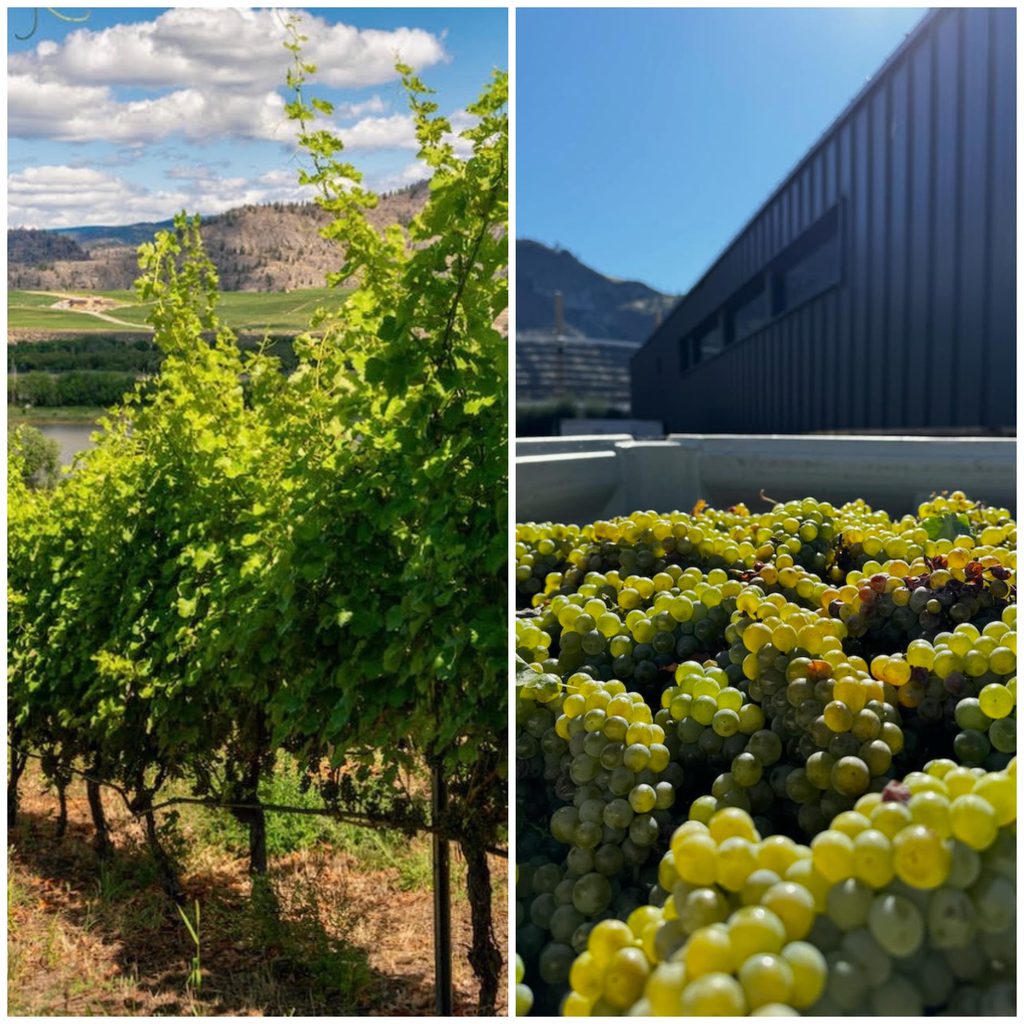
Winemaker’s CUT describes a beautiful growing season, with gradual cooling through harvest allowing excellent hang time and even ripening.
Crops were broadly average, below the bumper 2025 harvest but closer to a normal vintage. Fruit condition and laboratory numbers were strong, with an encouraging balance of ripeness and acidity.
Sauvignon Blanc, Grüner Veltliner and Muscat are particular sources of excitement, combining flavour development with well-preserved acidity.
However, the winery rejected fruit from some vineyard sources because of smoke damage. Its positive assessment therefore applies to the fruit it selected, rather than every vineyard it works with.
The early outlook is for fresh, bright wines with clear varietal character.
Vasanti: Promising Fruit Meets a Difficult Grape Market
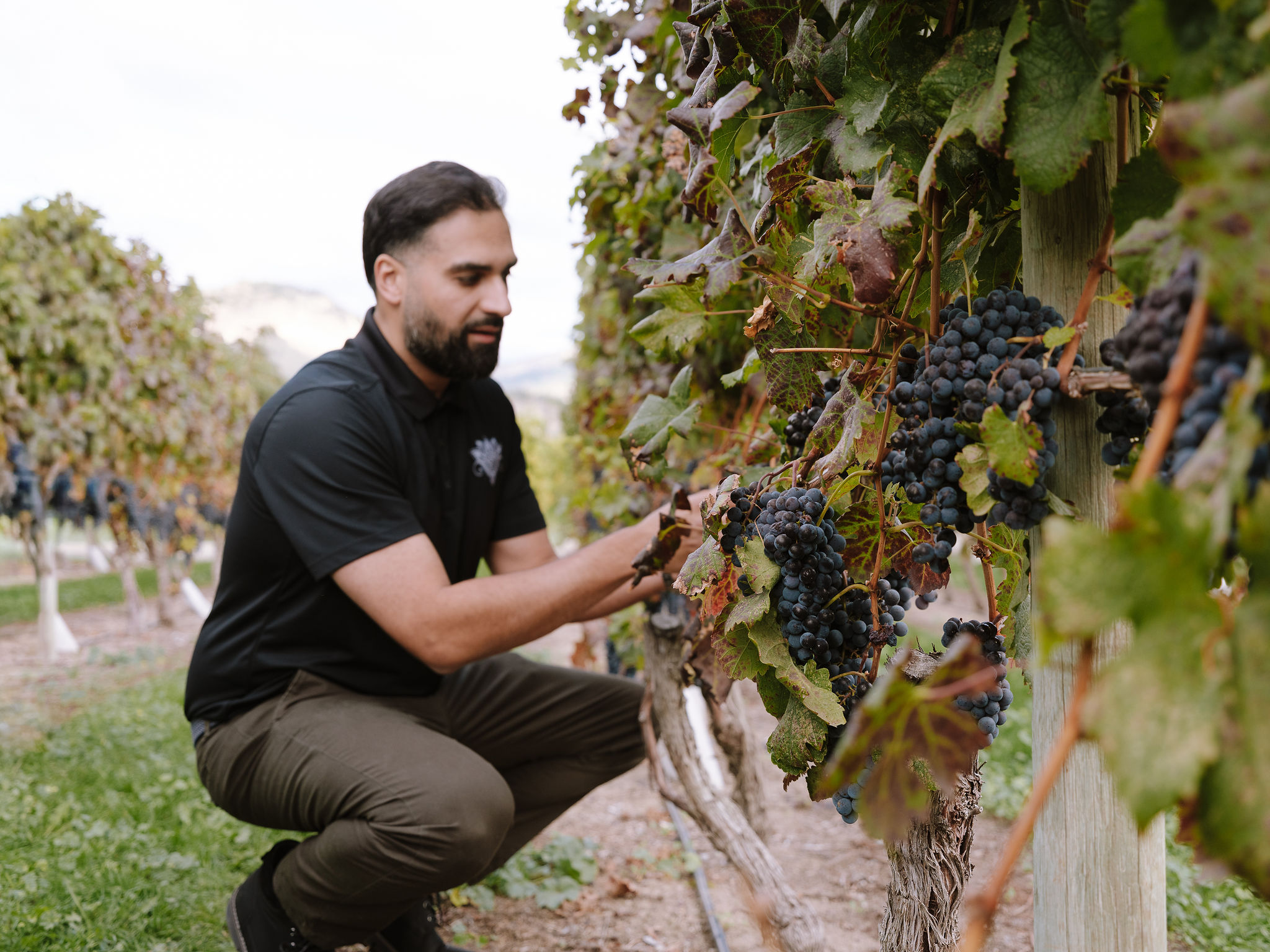
At Vasanti, fruit arrived one to two weeks earlier than usual, with excellent quality. Overall tonnage rose mainly because the first Riesling crop and Sauvignon Blanc reached full production; other blocks were near normal.
The Riesling represents a recovery story of its own. The team replanted a Merlot block lost to the 2024 freeze in 2025, and its first crop is destined for sparkling wine.
Pre-harvest whole-berry testing raised concerns in a few red blocks. The team treated those results as a starting point, with winemaker Petar Djuric conducting trial ferments before shaping the harvest and cellar approach. The plan included early-morning picking, light pressing, careful yeast selection, gentle handling, and no new oak. Fermentation results are encouraging, and monitoring will continue through aging.
The grape market proved another challenge. Some long-standing buyers did not need fruit, so Vasanti crushed more of its own grapes than usual.
Hester Creek: An Outstanding Outlook on the Golden Mile Bench
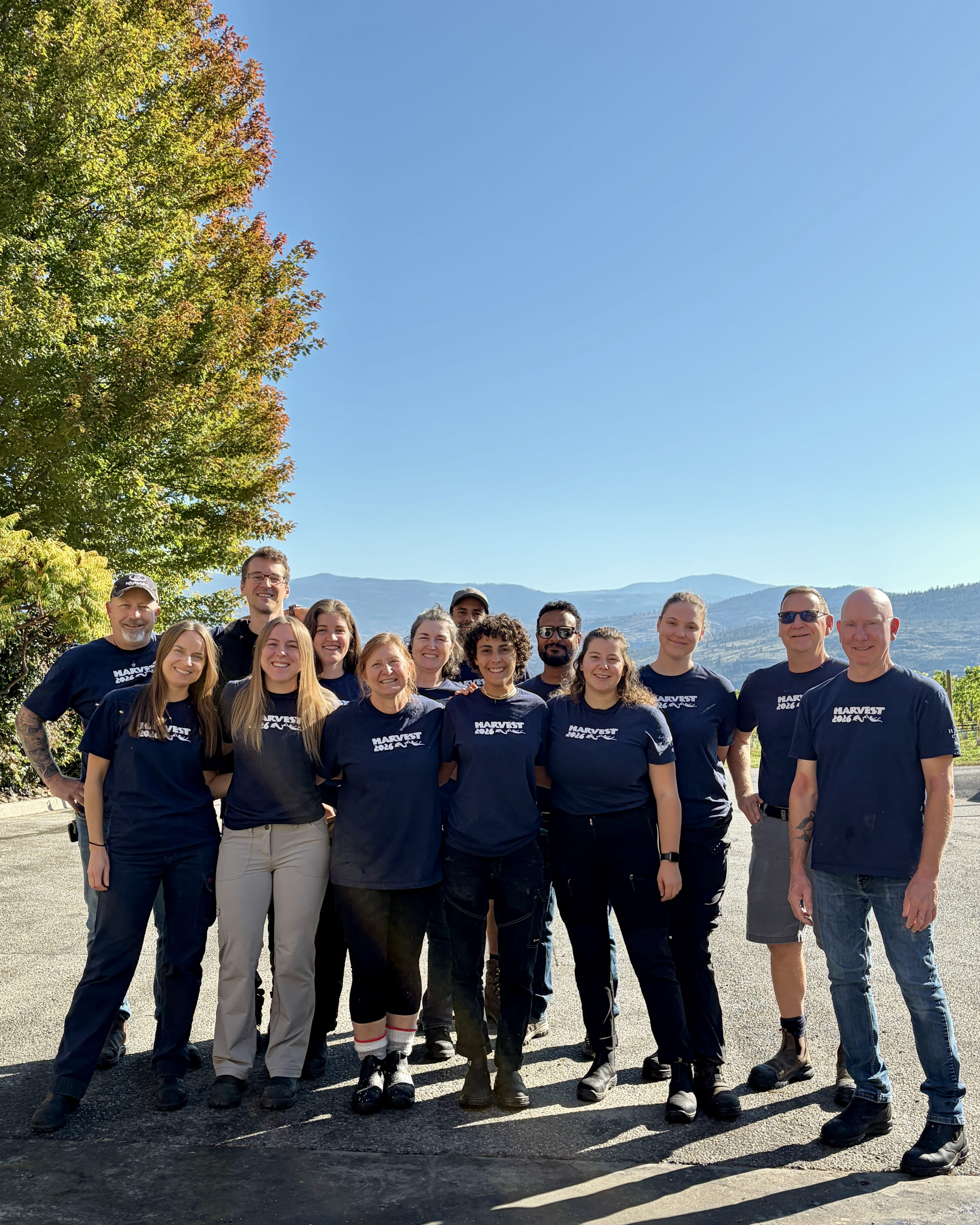
In its October 30 update, Hester Creek projected a harvest of approximately 1,500 tons, up roughly 11% from 1,350 tons in 2025, with about a week of picking remaining.
Smaller berries are delivering concentrated flavour, and Mark Hopley believes 2026 could rank among the winery’s best harvests. Picking began August 24, allowing whites to reach ideal ripeness, while extended hang time brought ripe phenolics and strong varietal expression to the reds.
Viognier, Sémillon and Pinot Gris are early standouts, with the reds showing particularly vivid and intense flavours.
Testing of several red varieties has given the team confidence to proceed without rejecting fruit, maintaining its support for local growers. Hopley credits the Golden Mile Bench’s distance from the fires as a contributing factor, with appropriate cellar techniques and modern technology supporting the winemaking ahead.
River Stone: An Early Harvest and Encouraging First Wines
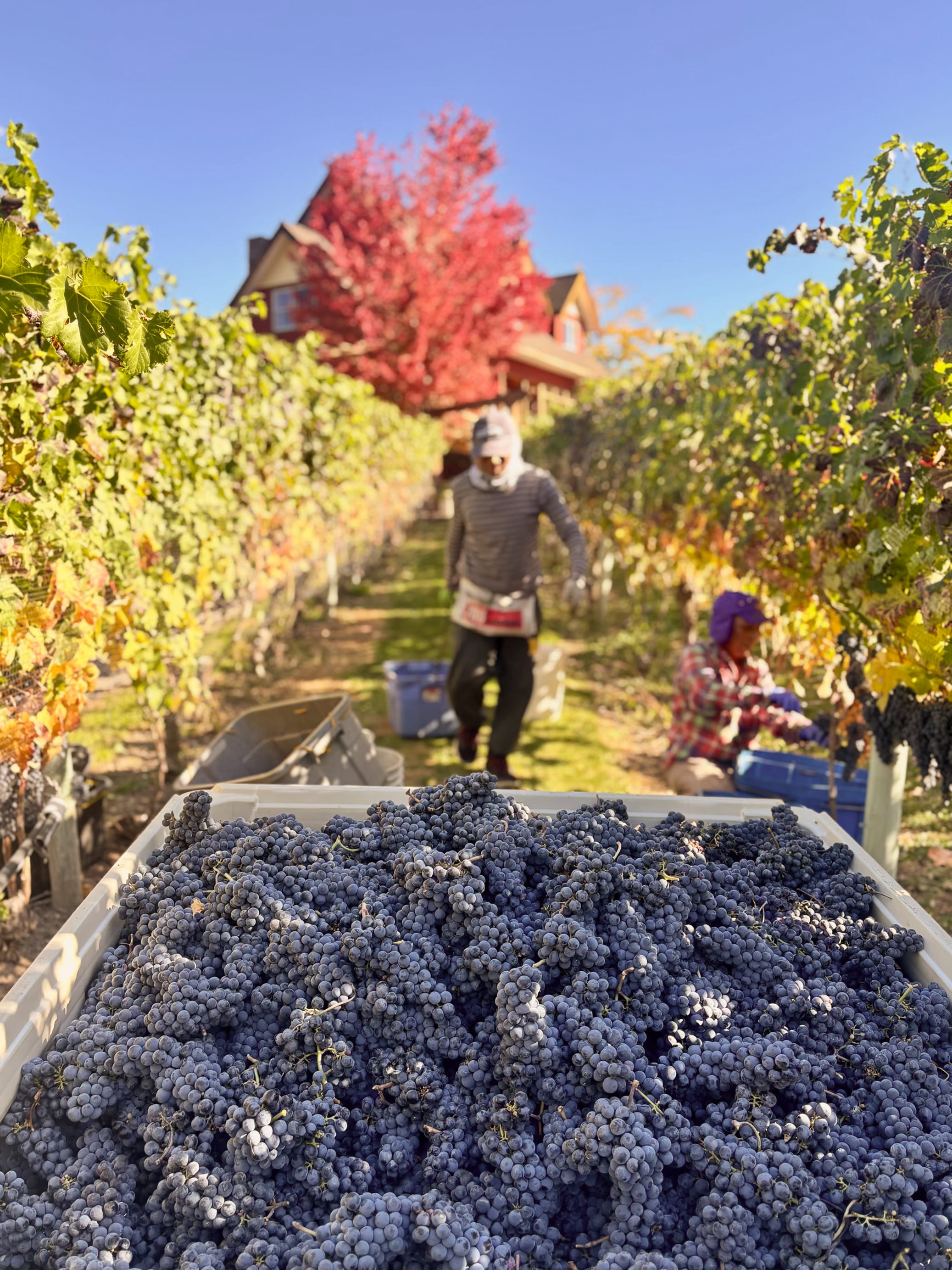
River Stone began picking on August 24, one of the earliest starts in Ted Kane’s 23 years growing grapes in the South Okanagan. The harvest finished on October 20, with Cabernet Franc from Boulder City Vineyard.
Fruit quality was high, with tonnages slightly above expectations. Although smoke passed through the Oliver vineyards, Kane reports they avoided the dense smoke and ash seen at other sites.
Laboratory results for smoke markers were low, and several wines that have completed fermentation show no smoke character in sensory assessments.
Excellent September and October weather allowed the team to pick at its preferred ripeness, with early wines showing attractive fruit and aromatics. River Stone plans annual testing to build a clearer picture of results across smoky and clear vintages.
Shuswap
Sunnybrae: Steady Ripening and Freshness
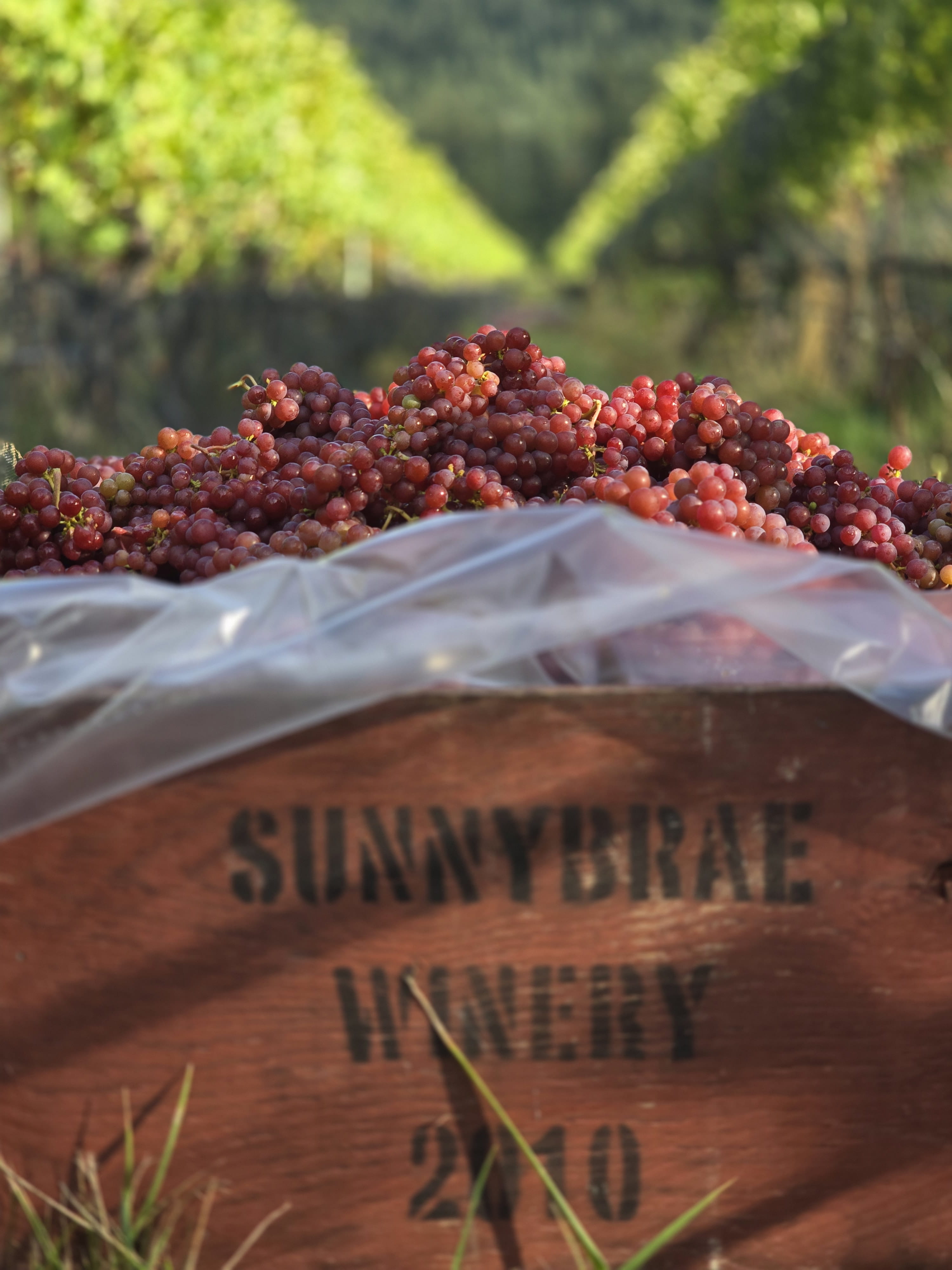
Sunnybrae’s harvest offered a different rhythm from 2025. James Clark reports longer, steadier ripening, with fewer hot late-summer days and cooler nights heading into harvest.
Flavours developed gradually, sugar accumulation was moderate, and the grapes were picked with slightly higher acidity. The extended window let the team monitor its estate blocks closely and capture natural balance.
Pest and disease pressure was low, helping preserve fruit quality. Yields met expectations for Maréchal Foch and Pinot Noir, while Siegerrebe, Ortega and Kerner each came in approximately a tonne lighter than usual.
The young wines are encouraging, with Clark anticipating a vintage that expresses a particularly distinctive Shuswap character.
Fraser Valley
Township 7 Langley: Beautiful Fruit, Modest Pinot Noir Yields
While Township 7 chose not to harvest its Okanagan fruit, its Langley vineyard produced what Mary McDermott describes as beautiful grapes.
The harvest delivered 3.4 tons of Chardonnay and 2.3 tons of Pinot Noir from two acres.
The modest Pinot Noir yield contrasts with the encouraging fruit quality and provides a reminder that volume and quality tell different parts of the harvest story.
For Township 7, the two regions produced markedly different outcomes within the same vintage.
Vancouver Island
Blue Grouse: Promising Cowichan Wines Despite Frost Losses
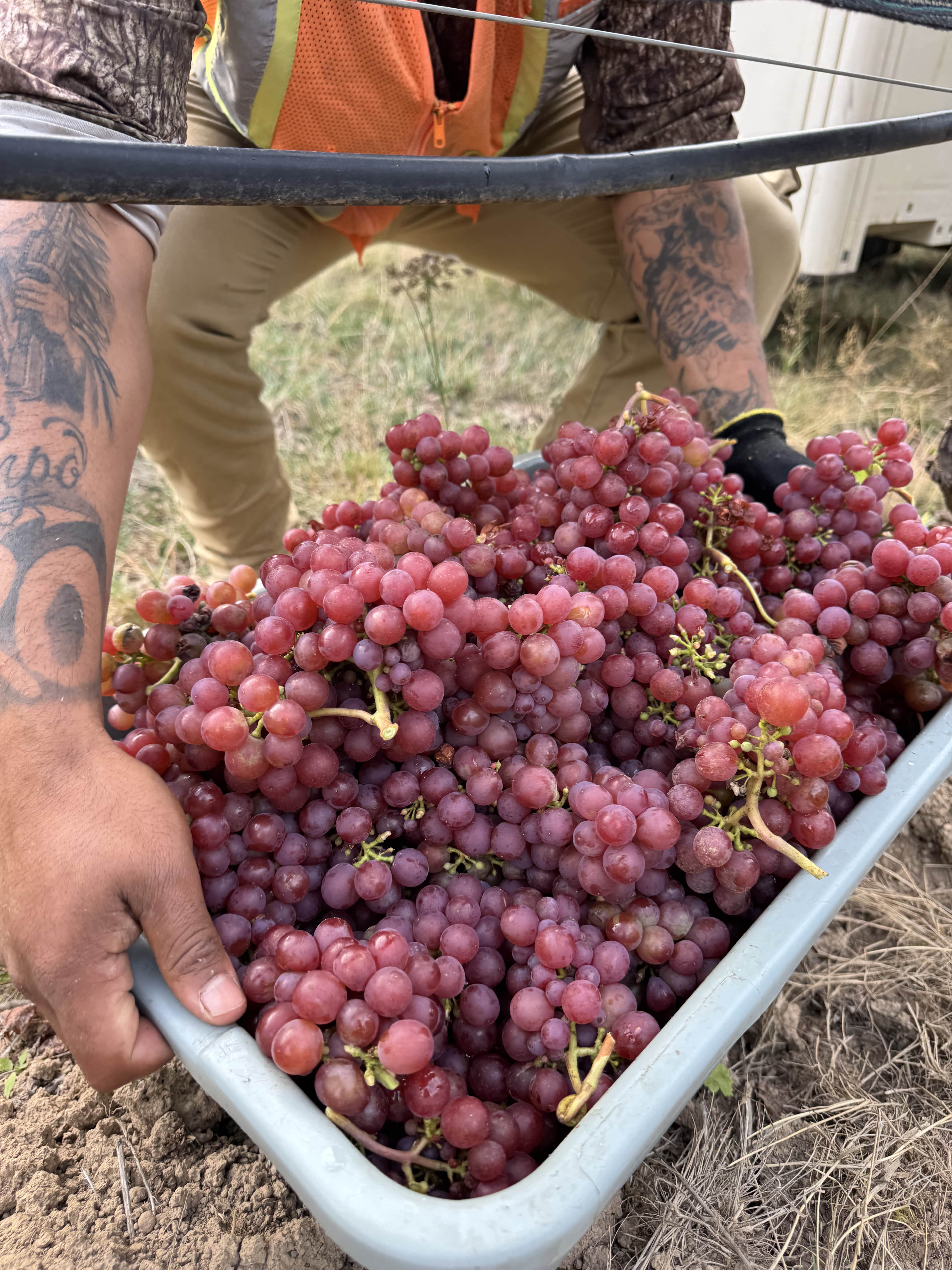
Blue Grouse reports warm, dry conditions through much of the growing season, with an early start and rapid ripening leading to early picking dates. Spring frost caused substantial losses at affected Cowichan sites. Elsewhere, tonnages were generally average to slightly below average.
Only a few rain events interrupted critical ripening periods, and the Cowichan reported no smoke intrusion. Blue Grouse’s estate harvest began with Siegerrebe on September 8.
Early wines are showing considerable promise, with Stacy Hornemann suggesting their quality could rival 2023. The report offers an encouraging Island perspective while acknowledging frost’s uneven effects.
Looking Ahead: Promise, Losses and More to Learn
The 2026 BC wine harvest resists a single verdict. Some wineries lost entire estate crops, while others report excellent fruit, encouraging yields and young wines showing considerable promise. Reports from the Shuswap, Fraser Valley and Vancouver Island broaden the picture beyond the Okanagan’s wildfire challenges.
The grape market added another layer of complexity. Vasanti processed more of its own fruit as demand from regular buyers weakened, while Lightning Rock purchased replacement grapes after abandoning its estate crop. Fruit availability, suitability and the cost of adapting shaped very different outcomes.
For several producers, the assessment continues. Encouraging early tastings are an important first step, with further laboratory analysis and monitoring still informing cellar and bottling decisions.
What emerges most clearly is the care behind those decisions, and the importance of listening to individual growers and winemakers before judging an entire region or vintage. Promising wines lie ahead, alongside significant losses that deserve recognition.