The 2026 BC wine harvest has delivered promising fruit, difficult decisions and markedly different experiences across the province. As picking gives way to fermentation and cellar work, a clearer picture is emerging of a vintage shaped as much by careful selection and adaptation as by the growing season itself.
In our first harvest report, winemakers described the contrast between encouraging fruit quality and devastating wildfire-related losses around Summerland. This second instalment adds seven reports representing eight wineries, beginning in the Okanagan before moving to Lillooet, the Thompson Valley and the Fraser Valley.
Our thanks to Roberto Fiume at Ciao Bella Winery, Katrina D’Costa at Origin Wines, Sarah Bain at Fitzpatrick Family Vineyards, Yuliia Nahorna at Little Straw Vineyards and Kalala Organic Estate Winery, Seth Jex at Fort Berens Estate Winery, Jesse Steinley at Monte Creek Winery and Gary (Gennadi) Zhygailo at Chaberton Estate Winery for sharing their experiences during such a demanding season.
Their reports reveal both the opportunities and the compromises behind the vintage. Some Pinot Noir has been redirected into rosé, red-wine programs have been reduced or paused, and shorter skin contact and gentler pressing have become important tools in managing smoke risk. Elsewhere, healthy fruit, generous yields and promising whites and sparkling wines offer reasons for optimism.
These are still early assessments. The wines will need time to reveal their full character, and monitoring will continue. For now, the reports offer a valuable look at the judgement, flexibility and hard work behind the bottles—and another reason to support the people making BC wine.
Ciao Bella Winery — Higher Yields and a First Dolcetto
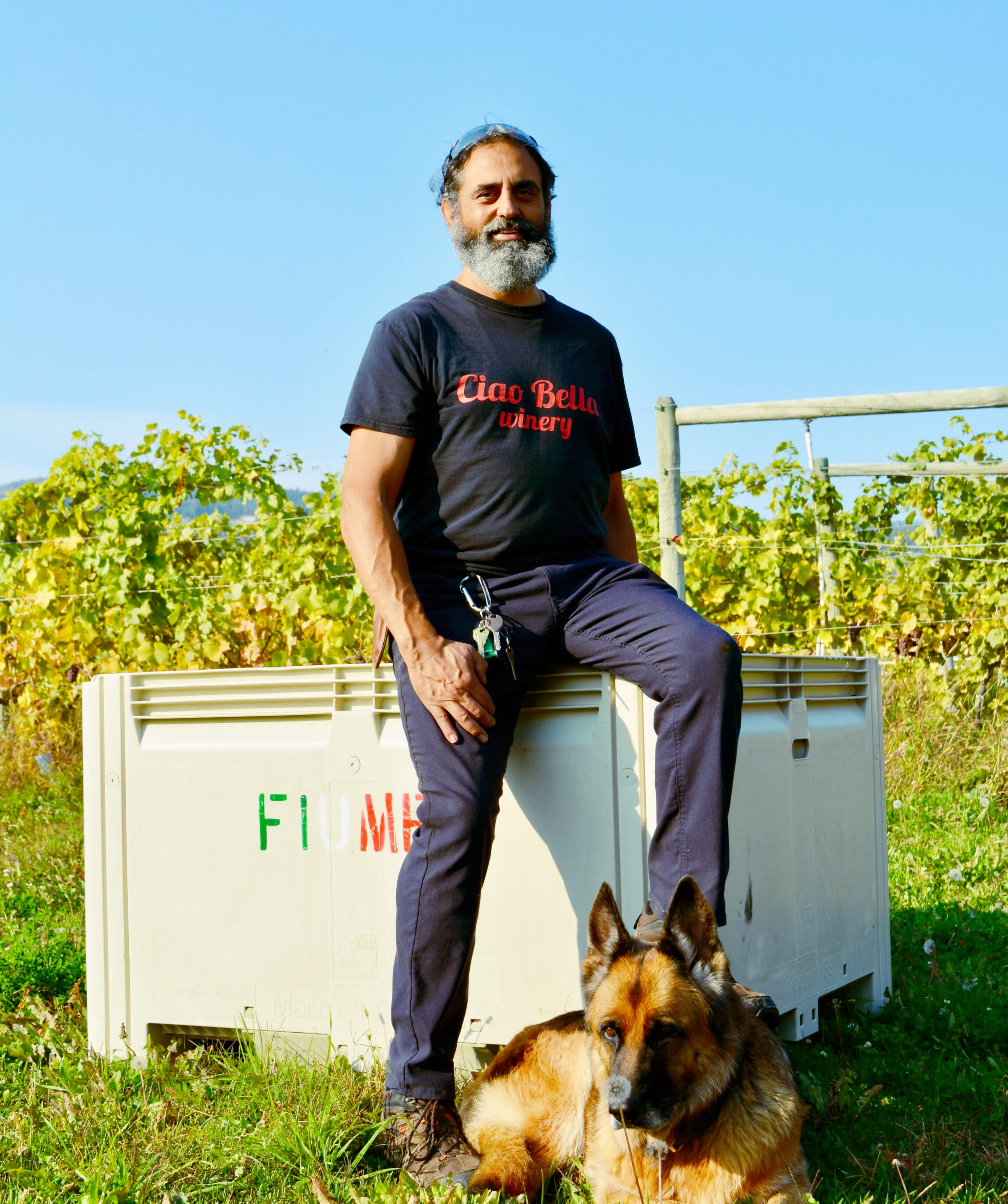
At Ciao Bella Winery in West Kelowna, the 2026 harvest brought encouraging progress in both established vineyards and younger plantings.
Roberto reported that Pinot Grigio and the Pinot Nero destined for Rosato were harvested a little earlier than in 2025, with higher yields. Across the street from the winery, the Elliott Road vineyard, planted in 2020 and 2021, delivered more fruit and exceptional quality following the work required to regrow and retrain vines after the January 2024 freeze.
The early wines show attractive floral and fruit aromas and flavours, with harvest measurements within the family’s targets.
A particularly exciting development was Ciao Bella’s first Dolcetto vintage, from three acres planted in spring 2024. Roberto described the young wine as deeply ruby-coloured and remarkably smooth for fruit from such young vines.
The winery’s five-acre older Pinot Nero vineyard surrounding the wine shop and production facility also produced a larger crop and excellent fruit. Picking took place just after Thanksgiving, approximately the usual timing for those vines.
Smoke concerns prompted the family to reduce skin contact. At the time of Roberto’s report, they had not detected concerning aromas or flavours in the wines.
It remains a family effort: Antonio leads the winemaking, assisted by Roberto and his wife, Sharon. Between the recovery of the younger vineyard and the arrival of Dolcetto, there is plenty to look forward to.
Origin Wines — A Pinot Noir Pivot and Promising Cabernet Franc
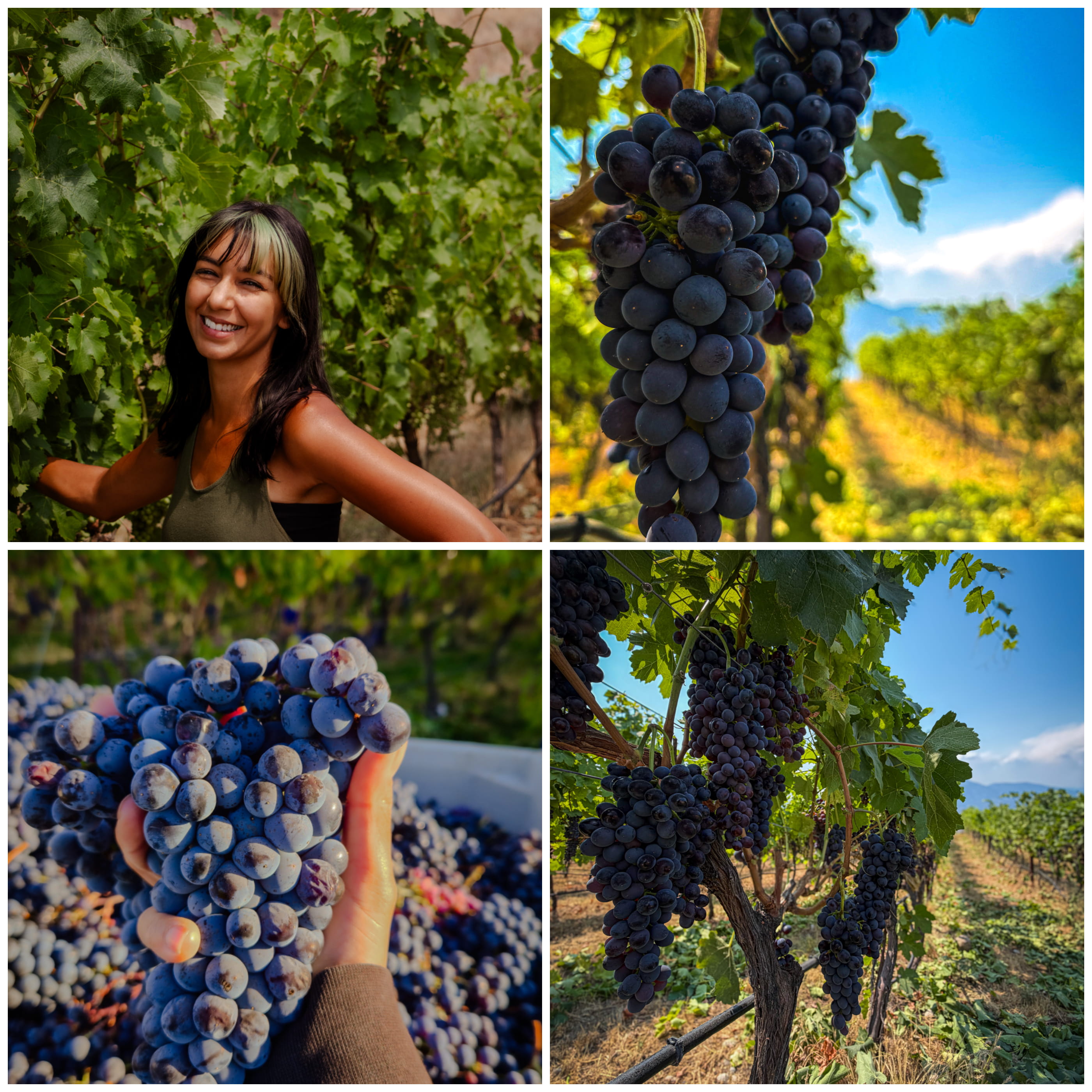
At Origin Wines on the Naramata Bench, yields were similar to 2025, but the vintage required a significant change to the Pinot Noir program.
Katrina, known as Kat, decided to use Pinot Noir from both Naramata vineyards for rosé after observing environmental damage to the fruit. decided to use Pinot Noir from both Naramata vineyards for rosé after observing environmental damage to the fruit. With whole-cluster fermentation normally part of her Pinot Noir approach, reducing skin contact offered a more cautious direction.
It was a difficult choice for one of the winery’s biggest-selling wines, although Kat is enthusiastic about the dry rosé joining the lineup.
Elsewhere, the fruit arriving at the winery was beautiful. Lower humidity and less disease pressure approaching harvest contributed to what Kat considered potentially better overall fruit quality than in 2025. Acidity retention was a little lower, but the grapes still offered good structure.
For the reds she did produce, Kat monitored aromas and development closely throughout fermentation and pressed the wines off their skins earlier than usual. “Call it a year for science!”
Her standout variety was Cabernet Franc. Good stem ripeness suited Origin’s whole-cluster approach, contributing chalky tannins and another layer of complexity without overpowering the fruit.
While the wines are still developing, Kat is particularly encouraged by the combination of fruit character and structure in the Cabernet Franc—a promising result from a season that demanded close attention and flexibility.
Fitzpatrick Family Vineyards — Whites and Sparkling Take Priority at Greata Ranch
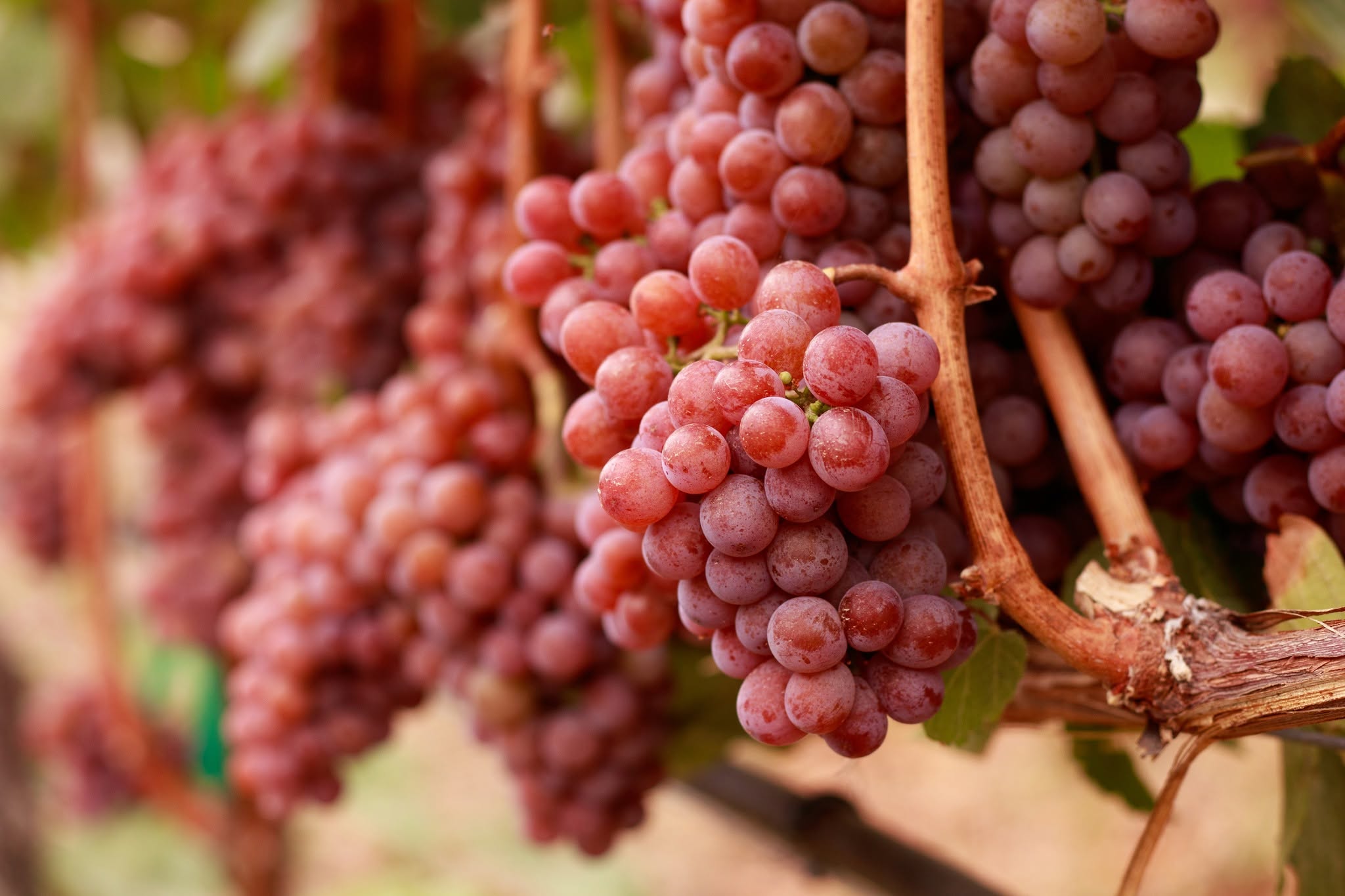
At Fitzpatrick Family Vineyards’ Greata Ranch in Peachland, yields were more balanced than the heavy recovery crops of 2025. The fruit looked clean and healthy, but elevated smoke levels led to substantial changes in the cellar.
Sarah decided to pause the red-wine program for the vintage, focusing instead on white and sparkling wines.
The approach involved minimal skin contact, short press cycles, less lees contact and clean, rapid fermentations. These adjustments reflect the care being taken to manage potential smoke-related effects while preserving the fruit’s character.
Sarah also anticipates a shorter sparkling-wine bottle-ageing program for this vintage. At the time of her report, most wines were showing clean aromas and flavours. Monitoring will continue, with further action considered where necessary.
Little Straw Vineyards & Kalala Organic Estate Winery — Promising Whites and Rosé, with Smoke Trials Underway
At Little Straw Vineyards and Kalala Organic Estate Winery in West Kelowna, the 2026 harvest delivered slightly more fruit than in 2025, with some vineyard sites reaching maturity earlier than usual.
Yuliia highlighted an outstanding dry Zweigelt rosé, showing a light, crisp and refreshing character. Pinot Auxerrois is another promising variety, developing into a smooth, balanced wine with potential for barrel ageing. Merlot volumes also increased, with those lots still actively fermenting at the time of her report.
Smoke exposure required careful assessment of individual lots and cellar adjustments. The team is working with experimental batches from higher-risk fruit with laboratory-confirmed smoke exposure, including Pinot Noir, to better understand how the wines develop through fermentation.
For rosé production, whole-cluster pressing without prolonged skin contact has been a priority. Careful juice clarification and separation from heavy lees are also being used to preserve clean, expressive fruit character.
While the wines continue to develop, Yuliia remains optimistic about the vintage’s overall quality. Her report combines encouraging early results with a measured, experimental approach to the season’s challenges.
Fort Berens Estate Winery — A Bumper Crop in Lillooet, with Fewer Reds
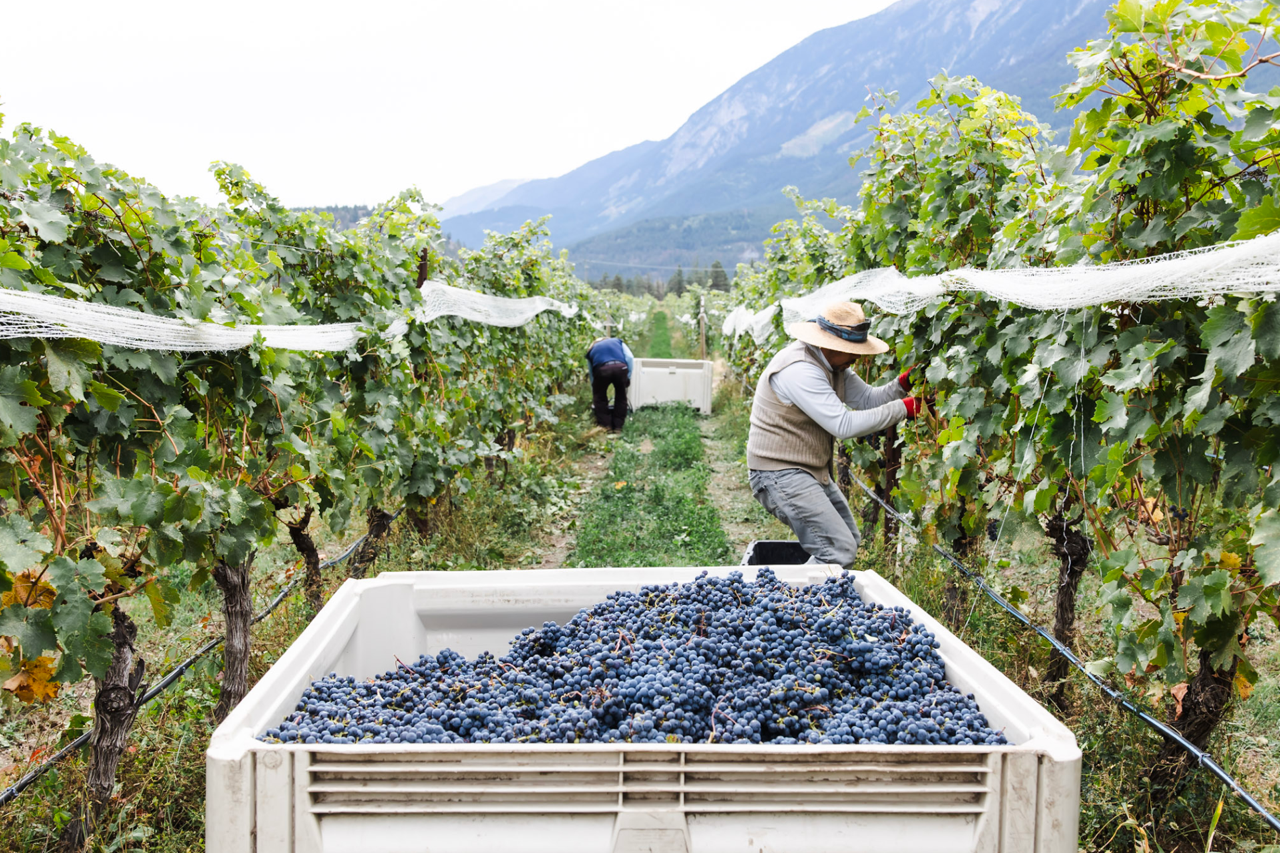
In Lillooet, Fort Berens enjoyed one of its strongest estate yields, although smoke concerns changed the balance of the wines being produced.
A mild winter and smooth transition into spring left the vines healthy, without lingering cold-damage effects. Seth reported 160 tons from the estate vineyard, supplemented by nearly five tons from two long-term Lillooet VQA growing partners.
The generous crop initially pointed toward a top-quality harvest. Local wildfires, however, prompted a cautious assessment of potential smoke risk.
At the time of Seth’s report, no smoke-related issues had been observed during fermentation. Nevertheless, the possibility of characteristics emerging later, particularly as wines age in bottle, influenced production decisions.
Fort Berens significantly reduced its red-wine production and will not make reserve Bordeaux reds from the vintage. A small quantity of Pinot Noir, assessed as presenting a low smoke risk, was showing well after malolactic fermentation.
The changes also created opportunities. Four new small-batch wines are being developed for the wine club and tasting room, including a lower-alcohol Riesling and a sparkling rosé.
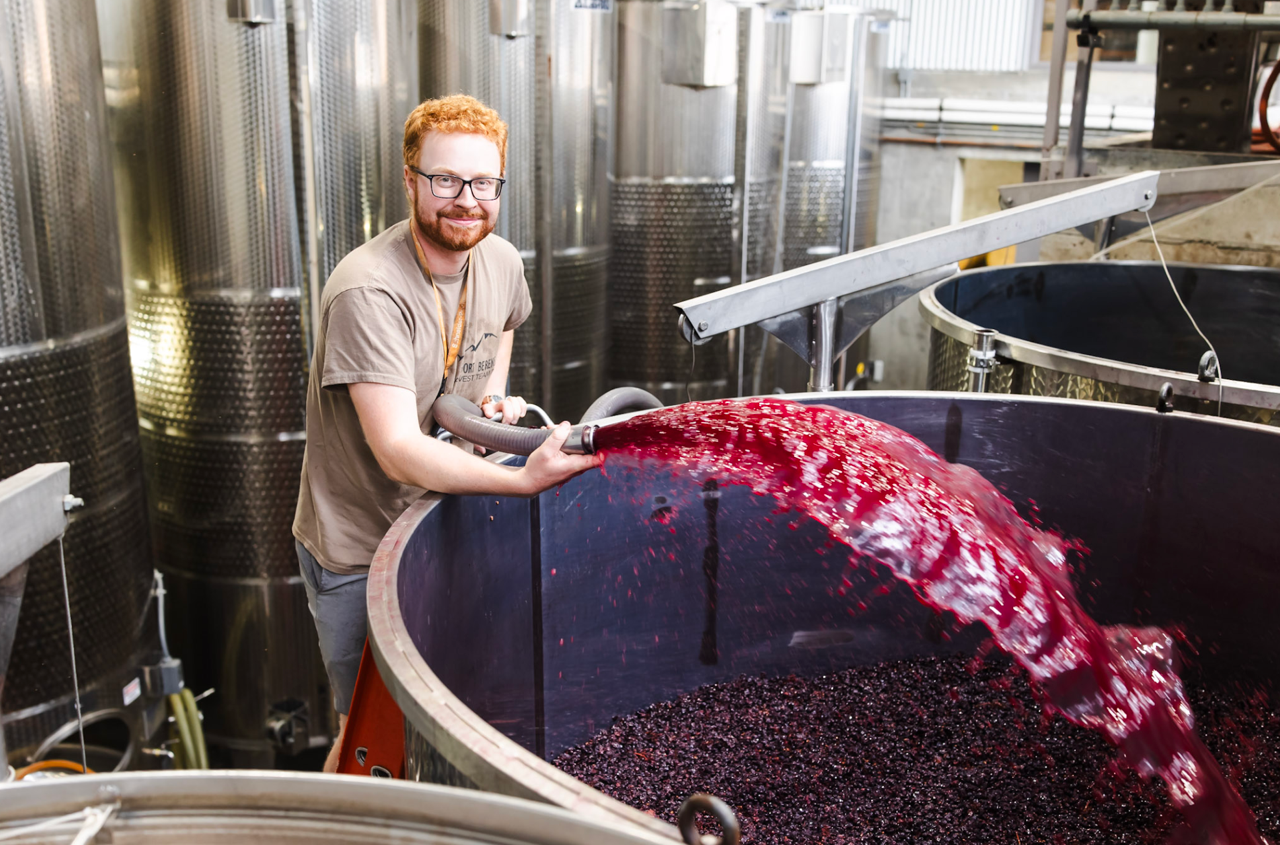
Seth is particularly excited about a semi-carbonic Cabernet Franc, showing deeply saturated colour and concentrated blue-fruit character. The estate rosé, featuring a greater proportion of Merlot this year, is another wine he believes could do particularly well.
The result is a vintage with abundant fruit, fewer conventional reds and some intriguing new directions.
Monte Creek Winery — Adapting to Challenges, with Thompson Valley Whites Shining
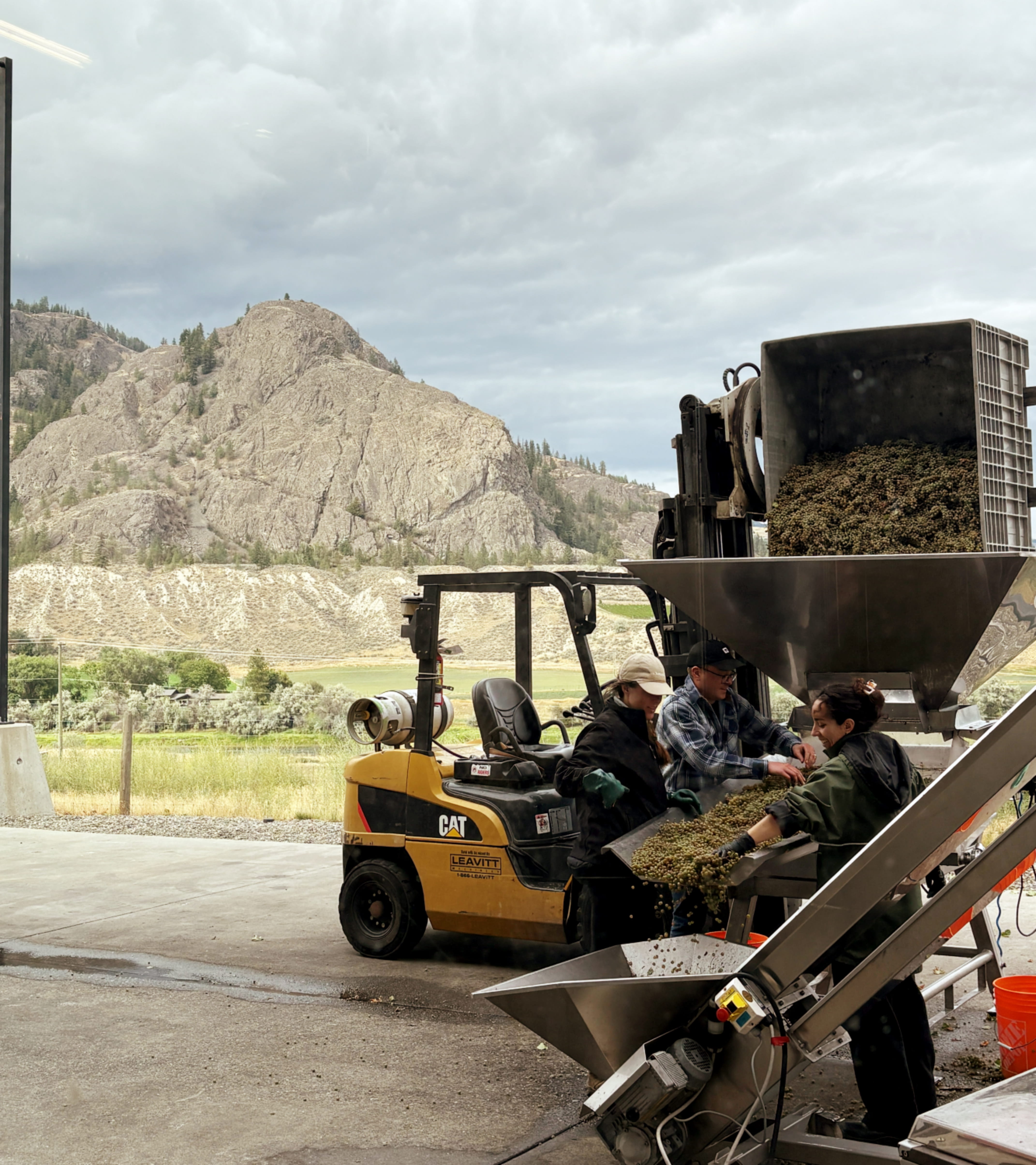
At Monte Creek Winery, drought conditions and wildfires contributed to slightly lower yields and reduced juice extraction. Jesse and the team adjusted their original production plans to make the most of the crop.
Careful sorting and changes in winemaking allowed the winery to use nearly all its 2026 fruit. A small block of red grapes was left unharvested because it did not meet the winery’s standards.
One notable change was the decision to direct a generous portion of the Pinot Noir harvest into rosé production for the first time.
The Thompson Valley fruit provided particularly encouraging results. Jesse singled out Riesling from the MCR and Lion’s Head vineyard sites, alongside Frontenac Gris and Frontenac Blanc.
Cooler temperatures in early autumn allowed additional hang time and pushed picking back slightly, helping the grapes develop deeper and more complex flavours.
Natural acidity and fresh fruit character are also creating considerable excitement around the winery’s 2026 Charmat-method sparkling wines.
Jesse’s report offers another example of how a challenging season can produce both difficult decisions and promising wines. While production plans changed, the Thompson Valley whites and sparkling wines are providing plenty of reasons for optimism.

Chaberton Estate Winery — Healthy Fraser Valley Fruit and Contrasting Okanagan Conditions
For Chaberton Estate Winery in Langley, the 2026 harvest highlighted the differences between growing regions.
Gary reported an early start, with the first Similkameen grapes picked at the end of August. Yields from the winery’s Okanagan and Fraser Valley sources were generally normal. Where vineyards carried larger crops, growers were asked to maintain balanced yields and avoid overcropping.
The Okanagan presented a mixed picture. Some smoke-affected vineyards were left unpicked, while unaffected fruit showed very good quality.
To reduce potential smoke risk, Gary shortened maceration for both whites and reds and omitted cold soaking for red grapes. He also used lower pressing pressures and separated press fractions earlier.
In the Fraser Valley, the assessment was much more straightforward: a beautiful harvest with healthy grapes. Gary described October as exceptionally dry, providing favourable conditions for bringing in the fruit.
The winery is also introducing a new Pinot Noir rosé, while Chaberton Pink is now available in a four-litre bag-in-box format.
Together, these observations reinforce an important theme of the 2026 vintage: a winery’s overall experience can encompass excellent fruit, rejected blocks and very different regional conditions within the same harvest.
Final Thoughts — A Vintage That Rewards Care and Adaptation
These seven reports, representing eight wineries, reinforce why 2026 cannot be summed up with a single verdict.
Ciao Bella’s recovering vineyards and first Dolcetto offer an encouraging story of progress. Origin’s Cabernet Franc and Monte Creek’s Thompson Valley whites show the potential of well-grown fruit, while Chaberton’s healthy Fraser Valley harvest provides a welcome regional contrast.
At the same time, decisions at Origin, Fitzpatrick, Little Straw and Kalala, Fort Berens, Monte Creek and Chaberton show how smoke concerns shaped what was picked, how grapes were processed and which wines will eventually reach the market.
Redirecting fruit into rosé, shortening skin contact or foregoing a familiar red release represents a considerable commitment to quality. These choices deserve recognition, even as the young wines continue to develop.
For wine lovers, the coming releases will offer opportunities to explore new styles alongside familiar favourites. The most useful approach will be to follow individual producers and wines as the vintage unfolds.
Buying BC wine, visiting tasting rooms and supporting winery restaurants and wine clubs remain practical ways to help the industry through a demanding period. Behind every release are people making careful decisions to bring the best of their vineyards to the glass.
I loved learning all of the different ways the grapes were harvested. The science and the interesting ways used to help smoke damage done to the grapes. I also see the winemakers own natural instincts, being a big part of this year’s Harvest. Thank you for your hard work, loving work. Cher
Thank you for your feedback, Cher. I really appreciate how these winemaking teams took the time to provide detailed harvest comments.